Recycling and Sustainability for Gardeners Bankside
 Gardeners Bankside is committed to greener working practices that support a cleaner, more resilient local environment. Our approach to gardeners Bankside recycling is built around practical action: reducing avoidable waste, separating materials properly, and making sure reusable resources stay in circulation for as long as possible. In an area where apartments, terraces, managed communal spaces, and pocket gardens sit alongside busy commercial streets, a thoughtful sustainability plan matters. We aim to keep our work efficient while helping to lower the environmental footprint of everyday garden maintenance.
One of our core sustainability goals is a recycling percentage target of 85% for the materials we handle where suitable local facilities and waste streams allow. That target covers green waste, packaging, metal fixtures, plastics, cardboard, and salvageable materials from planting, clearance, and seasonal maintenance. Our teams sort waste as early as possible on site so that recyclable streams do not become contaminated. This small operational step can make a big difference, especially in dense neighbourhoods where waste separation must be done carefully to meet borough expectations and local collection rules.
We also recognise the value of local infrastructure. Gardeners in Bankside work with nearby transfer stations to reduce unnecessary haulage and to route waste responsibly through approved facilities. Using local transfer points helps streamline collections, supports compliance, and can reduce emissions compared with longer transport routes. It also means materials like soil, timber offcuts, plant cuttings, and mixed green waste can be handled in a way that fits the area’s wider recycling systems. 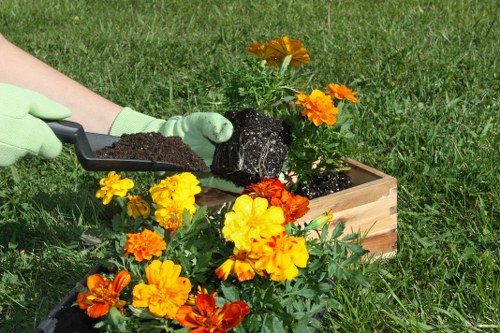
Where practical, we partner with charities and community organisations so that usable items find a second life. Pots, planters, hand tools, outdoor furniture, and decorative materials may be redirected to groups that can use them again rather than sending them for disposal. These partnerships reflect the spirit of eco-friendly gardening in Bankside: waste reduction is not only about recycling, but also about reuse, repair, and donation. In a borough setting, that approach can support both social value and environmental responsibility.
Our fleet is designed to support lower-emission work too. We increasingly use low-carbon vans for local journeys, choosing vehicles with improved fuel efficiency and reduced exhaust output. In central and inner-London environments, short trips between gardens, transfer stations, and supply points can add up quickly, so vehicle choice matters. Lower-carbon transport helps us serve sites more responsibly while fitting the broader move toward cleaner air and reduced congestion impacts. It is a practical part of our sustainability strategy, not just a statement of intent.
We also pay close attention to local waste separation habits because different boroughs and estates may have slightly different recycling expectations. Materials such as cardboard sleeves, plastic nursery pots, green waste, and metals are identified and separated where possible, while contaminated or non-recyclable items are isolated for correct disposal.  This is especially relevant when working across mixed-use streets and shared-access gardens, where collection points, storage space, and bin systems must be respected. Good segregation at source improves the quality of recycled material and helps prevent avoidable landfill use.
For Bankside gardeners, sustainability is also about working with the rhythm of the landscape itself. Compostable garden waste is prioritised for recycling or processing where accepted, with leaves, cut grass, twigs, and soft pruning material treated as valuable organic matter rather than rubbish. When suitable, we support mulching and soil-improvement practices that return nutrients to the ground. This keeps the cycle moving locally and aligns with the wider goals of greener urban horticulture.
We also make selective choices in supplies and packaging. Whenever possible, we favour reusable crates, consolidated deliveries, and materials with recycled content. Shrink wrap, mixed plastics, and cardboard packaging are kept separate for recycling rather than being mixed with green waste. In a busy borough environment, this attention to detail helps ensure that the recycling rate remains high and that our sustainability commitments are measurable rather than symbolic. It also reduces the pressure on local disposal systems and supports cleaner site operations.
Our work in Gardeners Bankside reflects a simple principle: garden care should improve a space without creating unnecessary environmental cost. By setting a clear recycling target, using local transfer stations, building partnerships with charities, and operating low-carbon vans, we can make each project more responsible from start to finish. The result is a more considered service that supports greener streets, better material recovery, and a lighter footprint across the neighbourhood.
 This commitment extends to seasonal clearances, planting renewals, and routine maintenance alike. Whether we are removing spent annuals, clearing old fixtures, or managing surplus soil and packaging, the same sustainability standards apply. The goal is to make recycling and reuse a natural part of every job, not an afterthought. That means better sorting, better routing, and better outcomes for the local environment.
Gardeners Bankside will continue to improve its recycling and sustainability performance as local facilities, transport options, and borough recycling practices evolve.  By keeping our methods practical and transparent, we can support a cleaner district while delivering dependable garden services with a lower environmental impact. This is sustainability that works in the real world: local, efficient, and focused on keeping valuable materials in use for longer.