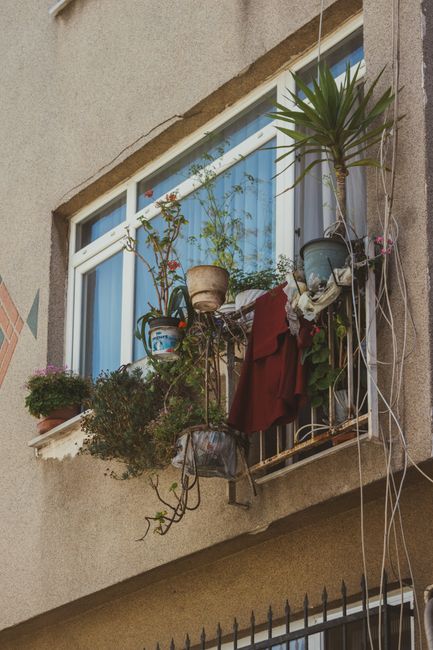
Small terrace gardeners Bankside Montague Close space saving ideas
Compact terraces can feel like a puzzle. One minute you are trying to fit in a chair, the next you are eyeing up a plant pot and wondering where on earth it will actually live. That is exactly why Small terrace gardeners Bankside Montague Close space saving ideas matter: they help you turn a tight outdoor space into something calm, useful, and genuinely enjoyable without making it feel crowded.
In Bankside and around Montague Close, many terraces and small patios have the same challenge: limited floor area, awkward corners, shade from nearby buildings, and not much room for storage. The good news? A small terrace can still look stylish, feel green, and work hard. This guide breaks down practical layouts, planting choices, clever storage, and low-fuss maintenance ideas that work in real life, not just on glossy inspiration boards.
If you are thinking about improving your outdoor space, this article will help you plan it properly, avoid common mistakes, and decide when a professional touch makes sense. Truth be told, a few smart decisions go a long way.
- Why space saving matters on small terraces
- How the approach works
- Benefits and practical advantages
- Who it is for
- Step-by-step guidance
- Expert tips for better results
- Mistakes to avoid
- Tools and recommendations
- Best practice and safety
- Options and comparison table
- Real-world example
- Practical checklist
- Conclusion
- Frequently asked questions
Why Small terrace gardeners Bankside Montague Close space saving ideas Matters
Small terraces do not fail because they are small. They fail when every surface is treated like a separate problem. A chair here, a planter there, a broom in the corner, and suddenly the space feels cluttered before you have even sat down. Space saving gardening is about making the terrace feel bigger by giving everything a job.
That matters especially in a place like Bankside, where outdoor areas are often narrow, overlooked, or shared with practical features such as access routes, railings, and drainage points. A good design respects those constraints instead of fighting them. The result is a terrace that feels intentional, not improvised.
There is also a maintenance angle. Smaller spaces can be easier to care for, but only if the design supports that. Too many awkward pots, thirsty bedding plants, or heavy furniture pieces can turn a pleasant area into a weekend chore. If you want a garden that stays manageable, space planning is the first real step.
One more thing: compact terraces tend to benefit hugely from vertical structure. When floor area is limited, the eye needs somewhere else to go. Height, texture, and layered planting create that sense of depth. It sounds simple because it is. But it works.
How Small terrace gardeners Bankside Montague Close space saving ideas Works
The basic idea is to use every square metre more intelligently. Instead of filling the terrace with bulky features, you combine multi-purpose elements, slimline furniture, vertical planting, and tidy circulation routes. In practice, that means thinking like a designer and a gardener at the same time.
Most successful small terrace schemes follow four principles:
- Reduce clutter. Keep only the items that earn their place.
- Go vertical. Use walls, railings, trellises, and hanging systems to lift planting off the ground.
- Choose scale carefully. Small terraces need proportionate furniture and plants, not miniature chaos or oversized bulk.
- Design for movement. Leave clear walking space so the terrace still feels open and easy to use.
A smart layout usually starts by identifying the fixed features: doors, steps, drainage, utility boxes, boundary walls, and any shady corners. From there, you plan the biggest items first, then build the planting around them. That way you do not end up with a lovely planter blocking the door, which happens more often than people admit.
Professionally, this is where landscape gardening and thoughtful small-space planning come together. A good layout is not about making the terrace look packed. It is about making it feel balanced, breathable, and usable in everyday life.
Key Benefits and Practical Advantages
Space saving ideas are not just about squeezing more in. They create a better experience overall. On a small terrace, a few well-chosen features can do far more than ten random ones.
- More usable floor space: You can sit, walk, and move things around without bumping into obstacles.
- A tidier look: Slimline storage and vertical planting reduce visual clutter.
- Better plant health: Plants arranged with light, shelter, and drainage in mind tend to do better.
- Easier maintenance: Fewer awkward corners and less overplanting make routine care simpler.
- Stronger sense of privacy: Screen planting, trellis, or fencing details can soften overlooked spaces.
- Year-round appeal: Layered design gives the terrace interest even in the colder months.
There is a nice side effect too: compact terraces often become more personal. Because you cannot fill them with everything, you end up being more selective. The space begins to reflect how you actually live. A quiet coffee spot. A few herbs. A place to put your feet up after work. Simple, but lovely.
If the terrace needs a more complete refresh, services such as landscaping or even a light tidy-up through garden maintenance can help set the structure before the smaller details go in.
Who This Is For and When It Makes Sense
This approach suits anyone working with a terrace, balcony-style garden, or narrow courtyard where every metre counts. It is particularly useful if your space is in regular use and you want it to feel good without constant effort.
It makes sense if you:
- want a relaxing outdoor seating area without losing planting space
- have a terrace that currently feels cluttered or unfinished
- need privacy from neighbouring windows or nearby walkways
- prefer low-maintenance planting over high-effort gardening
- are planning a rental property or want the terrace to look neat for guests
- have awkward proportions, shade, or limited storage
It is also a sensible route if you are renovating in stages. You do not have to do everything at once. Some of the best terraces are built gradually, one layer at a time. Start with the base. Then add planting. Then refine. No drama.
In our experience, the biggest difference comes when homeowners stop trying to make a small terrace behave like a big garden. Once that pressure goes, the design gets much better.
Step-by-Step Guidance
Here is a practical way to approach a small terrace without getting overwhelmed.
1. Measure the space properly
Measure length, width, door swings, steps, and any fixed obstacles. It sounds basic, but it prevents expensive mistakes. If a chair only fits when nobody is actually sitting in it, then it does not fit. That little reality check saves a lot of frustration.
2. Decide how you want to use the terrace
Do you want dining, relaxing, growing herbs, or a mix? Be honest. A terrace that tries to do everything often ends up doing none of it well. For many Bankside homes, one main function plus one secondary function is the sweet spot.
3. Create zones, even if they are small
You do not need walls. A simple change in materials, a bench edge, or a narrow strip of planting can define different zones. For example, one corner can be for dining, while the edge nearest the wall becomes the planting line.
4. Choose compact furniture
Foldable chairs, bench seating with storage, and slim round tables usually work better than chunky sets. If furniture can tuck away or double up, even better. The terrace breathes a bit more.
5. Build upwards
Wall planters, climbing plants, trellis screens, tiered stands, and hanging pots all help. Vertical planting is one of the easiest wins on a small terrace. It adds life without stealing valuable floor area.
6. Keep the planting palette tight
Use a limited mix of pot shapes, foliage textures, and colours. A few repeated forms look calmer than lots of one-off pieces. Repetition is your friend here, honestly.
7. Make maintenance part of the design
Leave enough access to water, prune, and clean. If a planter can only be reached by moving three other things first, it is going to become annoying very quickly. A good layout should be easy to live with on a wet Tuesday morning, not just on a sunny Sunday.
Expert Tips for Better Results
A few small decisions can lift a terrace from merely neat to genuinely impressive.
Use one main container size. Mixed pot sizes can look busy very fast. Repeating one or two sizes creates calm and helps the space feel deliberate.
Choose plants with a clear shape. Loose, sprawling plants can be charming, but in tiny spaces they often spill everywhere. Structural grasses, clipped evergreens, and compact shrubs are often easier to manage.
Think about sightlines. If you can see the terrace from the kitchen or living room, the most visible spots matter most. Put the strongest feature where your eye lands first.
Use light surfaces carefully. Pale paving, painted walls, or lighter pots can make a terrace feel brighter, especially where neighbouring buildings create shade. But too much glare can feel harsh. Balance is the thing.
Hide practical bits neatly. Compost caddies, watering cans, and tool storage should have a home. Not glamorous, but absolutely worth it.
One small, almost silly trick that works well: place your biggest pot in the space, then step back before adding anything else. If the room already feels crowded, it probably is. Let the terrace tell you. It usually does.
For tougher outdoor surfaces, a clean base helps the whole design shine. A service like patio cleaning can make a surprisingly big difference before new planting or furniture goes in.
Common Mistakes to Avoid
Small terraces are forgiving in some ways and ruthless in others. A few missteps can make the space feel cramped fast.
- Using oversized furniture: Big pieces dominate the terrace and reduce movement.
- Overpotting: Too many pots create visual noise and more watering work.
- Ignoring drainage: Waterlogged containers and soggy corners can quickly become a nuisance.
- Filling every gap: Empty space is not wasted space. It helps the design breathe.
- Choosing high-maintenance plants by default: If you are busy, be realistic.
- Blocking access points: Doorways, bins, and utility access need to stay usable.
Another common one: buying everything in one shopping trip because the terrace feels empty. Resist the urge. Let the layout settle. Add, step back, live with it, then refine. That slower approach usually gives better results and fewer regrets.
Small terraces rarely need more stuff. They usually need better decisions.
Tools, Resources and Recommendations
You do not need a truckload of kit to manage a compact terrace well. In fact, fewer tools is often better. The trick is choosing items that genuinely help.
| Item | Why it helps | Best use on a small terrace |
|---|---|---|
| Foldable or stackable furniture | Saves floor space when not in use | Seating and flexible dining |
| Wall planters or trellis | Adds height without widening the footprint | Climbers, herbs, or soft screening |
| Storage bench | Combines seating and storage | Tools, cushions, and watering items |
| Lightweight pots | Easier to move and rearrange | Seasonal planting and layout changes |
| Long-handled hand tools | Useful without requiring bulky equipment | Simple pruning, planting, and tidying |
For larger clear-outs before redesigning, a bit of help from garden clearance can save time and make the space easier to assess. If the terrace needs a more polished finish overall, it may be worth looking at gardening services as part of a wider plan.
If you are comparing bigger changes such as screens, boundary features, or more structured outdoor zones, pages like fencing and decking services can help shape the space in a way that suits the terrace's size and use.
Law, Compliance, Standards, or Best Practice
For most small terrace projects, the main compliance concerns are practical rather than complicated. You are usually thinking about safety, access, drainage, and keeping the area fit for everyday use. If you live in a managed property, leasehold building, or shared development, it is wise to check any building rules before making fixed changes to walls, floors, or screens.
From a best-practice point of view, a few simple principles matter:
- make sure pots and planters are stable in wind
- avoid blocking exits or access routes
- keep surfaces slip-resistant and clean
- do not overload balconies or raised terraces with heavy items
- use materials suited to outdoor conditions in London weather
If work involves heavier lifting, tall ladders, or tree or hedge work nearby, professional help is sensible. Services such as tree surgery and tree lopping and removal are best handled carefully, especially where access is tight or neighbours are close.
It is also fair to think about safety documentation and how a contractor operates. A reputable provider should be clear about health and safety policy, insurance and safety, and the basics of terms and conditions. That does not mean paperwork should dominate the job, but it should be there. Quietly reassuring, that sort of thing.
Options, Methods, or Comparison Table
Different terrace-saving methods suit different goals. Here is a simple comparison to help you choose what matters most.
| Method | Best for | Pros | Watch out for |
|---|---|---|---|
| Vertical planting | Very small terraces needing more greenery | Saves floor space, adds height, softens walls | Needs regular watering and secure fixing |
| Compact seating | People who want to sit out often | Leaves more open area, flexible layout | Can feel too basic if under-designed |
| Storage bench | Terraces needing practical storage | Two functions in one item | Must stay dry and easy to access |
| Climbing screens | Overlooked spaces needing privacy | Creates enclosure without heavy building work | Climbers need time and support |
| Minimal planting scheme | Busy households wanting low upkeep | Calm look, easier care | Can look sparse if not layered well |
To be fair, the best answer is often a mix. A terrace with one strong seating piece, one privacy feature, and one vertical planting element usually feels far more complete than a space filled with lots of small bits.
Case Study or Real-World Example
Picture a narrow terrace near Montague Close. It had a small slabbed floor, a few tired pots, and one outdoor chair that was always in the wrong place. The owners wanted somewhere to sit with coffee in the morning, but they also wanted greenery and a bit of privacy from neighbouring windows.
The first step was clearing out the clutter and cleaning the hard surface. Once the terrace was stripped back, the layout made more sense immediately. A slim bench replaced the oversized chair. Two medium planters were placed at the far end to anchor the view. Along one wall, a vertical trellis took climbing plants upwards rather than outwards. The opposite side stayed mostly open for movement and a small table.
The whole thing changed the feel of the space. It looked calmer by day and more inviting by evening, especially when the light caught the leaves and the wall behind them. Nothing dramatic. Just a better arrangement. The kind you notice because it makes daily life easier.
There was one slightly messy bit in the middle, as these projects often have: the first table chosen was too deep and made the terrace feel boxed in. It was swapped out, and the whole design breathed again. Small mistake, big effect. Happens all the time.
Practical Checklist
Use this checklist before you start redesigning a compact terrace.
- Measure the full terrace, including door clearance and fixed obstacles
- Decide the main function: seating, planting, or mixed use
- Remove items that do not earn their space
- Choose compact or foldable furniture
- Use vertical planting where possible
- Keep a clear walking route
- Select a limited plant palette for a calmer look
- Check drainage and surface condition
- Plan for watering and basic maintenance
- Make sure any screening or boundary feature is safe and secure
- Leave room for storage so tools do not clutter the terrace
- Review whether you need professional help for clearance, layout, or finishing touches
If the terrace feels like a blank slate after this step, that is a good sign. It means you can design with purpose instead of patching over old problems.
Conclusion
Small terrace gardeners Bankside Montague Close space saving ideas work best when they respect the shape of the space rather than trying to force a big-garden feel into a compact footprint. Keep the design simple, give height to the planting, protect your circulation space, and choose furniture that pulls its weight. That combination usually delivers the best results.
The real win is not just a tidier terrace. It is a terrace you actually use. One that feels calm on a damp weekday evening, useful on a sunny weekend, and easy to keep up without endless faffing. That is the goal, really.
If you are planning a refresh and want the job handled properly from layout to finishing details, start with clear priorities and build from there. A well-planned small terrace can be one of the nicest parts of a home, even in a tightly packed urban setting.
Get a free quote today and see how much you can save.
Frequently Asked Questions
What are the best space saving ideas for a small terrace garden?
The best ideas usually combine vertical planting, slim furniture, limited pot sizes, and clear walking space. Start with one seating area and one strong planting feature, then add only what improves the layout.
How do I make a terrace garden look bigger?
Use lighter colours, fewer large items, repeated pot styles, and planting that grows upward rather than outward. Keeping the floor as open as possible helps the space feel larger straight away.
Are raised planters good for small terraces?
Yes, as long as they are not too bulky. Raised planters can define edges, improve access, and create height, but oversized versions can quickly eat into the usable floor area.
What plants work best in a compact terrace garden?
Plants with a controlled shape, manageable root size, and good year-round structure tend to work best. Compact shrubs, herbs, grasses, and climbing plants are all useful choices depending on light levels.
How much maintenance does a small terrace garden need?
That depends on the planting style. A simple scheme with sturdy plants and good storage can be quite low maintenance. More containers and more delicate plants will need regular watering, pruning, and tidying.
Can I add privacy to a small terrace without making it feel closed in?
Yes. Trellis, climbers, and slim screening can soften sightlines without making the terrace feel boxed in. The trick is to add privacy in layers rather than using one heavy barrier.
Should I use decking or paving on a small terrace?
Either can work. The better choice depends on the existing surface, drainage, and how you want the terrace to feel. Decking can add warmth, while paving often feels neat and easy to clean.
What is the biggest mistake people make with small terrace gardens?
Overfilling the space is probably the most common mistake. Too many pots, too much furniture, and too many features can make even a nice terrace feel cramped and hard to use.
When should I hire a professional for a small terrace project?
It makes sense to bring in help if the space needs rethinking, if access is awkward, or if you want a cleaner, more durable finish. Professional support is also useful for heavier work, clearance, or structural features.
How can I keep costs under control?
Prioritise the essentials first: layout, surface condition, and a few key features. Reuse any good pots or furniture you already have, and add more only when the terrace proves it needs them.
Do I need to worry about safety on a raised terrace or balcony-style space?
Yes, especially with heavier planters, screens, and furniture. Keep items stable, avoid blocking access, and make sure the overall setup suits the load and conditions of the space. If in doubt, get proper advice before fitting anything fixed.
What should I do first if my terrace is currently cluttered and messy?
Clear it back to the basics. Remove unused items, clean the surface, and measure the space properly before buying anything new. Once you can see the actual terrace again, the right layout usually becomes much easier to spot.