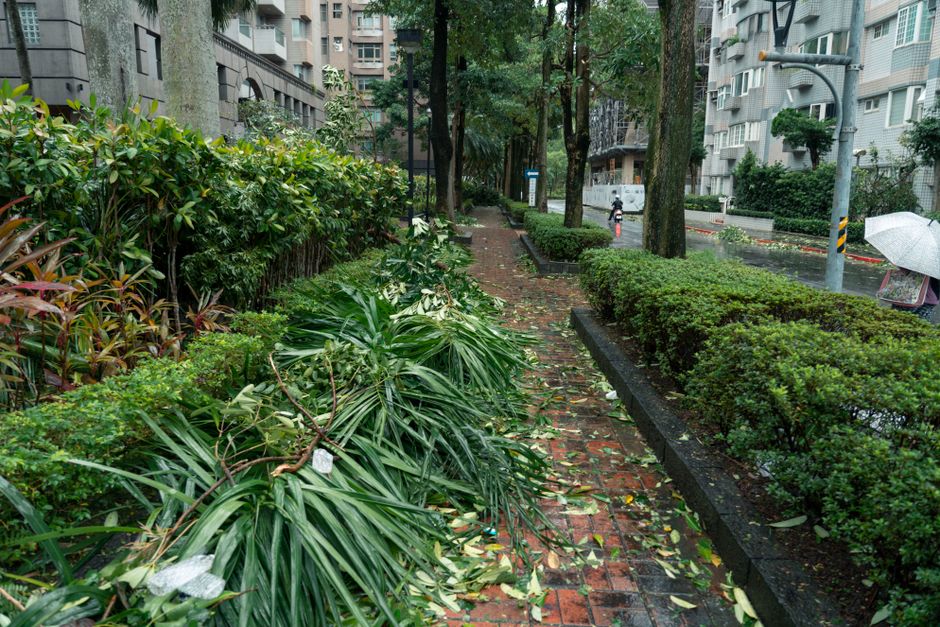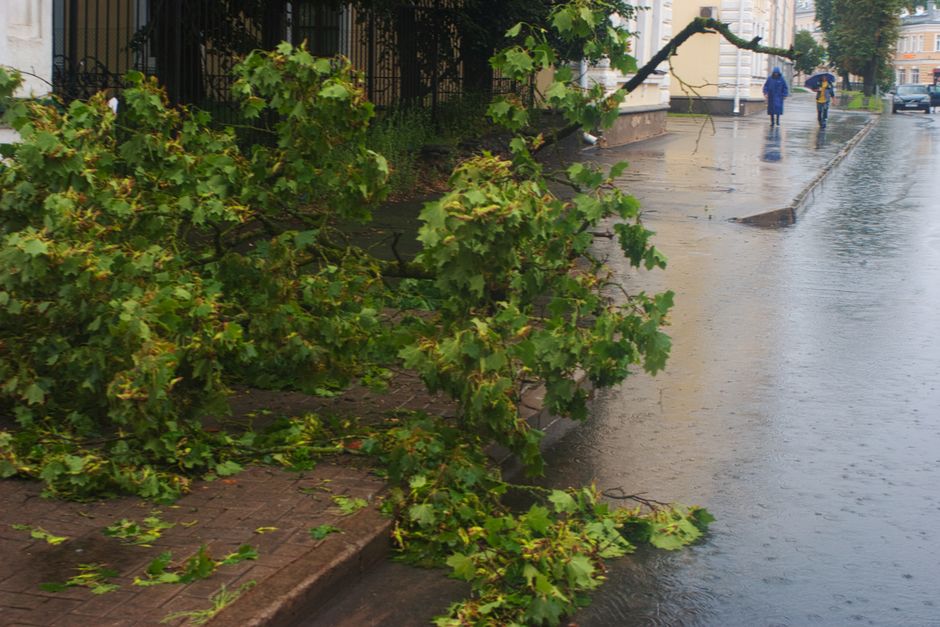
Fast storm repair gardeners Bankside emergency garden damage: what to do, what to expect, and how to recover your garden fast
A storm can turn a tidy Bankside garden into a mess in minutes. One moment everything is fine; the next, branches are down, fencing is leaning, planters are scattered, and the lawn looks like it has been through a rugby match. If you are searching for Fast storm repair gardeners Bankside emergency garden damage, you probably need clear answers quickly: what can be fixed first, what needs specialist attention, and how to stop things getting worse before help arrives.
This guide walks you through the practical side of emergency garden repair after high winds, heavy rain, or sudden weather damage. You will learn how fast-response gardening support works, which problems are urgent, how to prepare for a repair visit, and when it makes sense to bring in related services such as tree surgery, fencing, or patio cleaning. There is also a simple checklist, a comparison table, and a FAQ section to help you make calm decisions when everything feels a bit upside down.
Expert summary: The quickest recovery usually comes from stabilising hazards first, removing debris safely, then restoring structure and drainage before you think about planting or styling. Get the basics right and the rest becomes much easier.
Why Fast storm repair gardeners Bankside emergency garden damage Matters
Storm damage is not just about appearances. In a compact London garden, damage can create immediate safety issues, and that is where speed really counts. A loose fence panel can fall unexpectedly. A broken branch can block a walkway or press on a shed roof. Waterlogged ground can make paths slippery, and damaged borders can let soil wash away before you have had time to react. Truth be told, the garden often needs triage before it needs a makeover.
Bankside gardens tend to face a mix of challenges: narrow access, hard surfaces, shared boundaries, raised beds, container displays, shaded corners, and older masonry that does not always forgive water pooling. When weather turns rough, even a small amount of neglect can snowball. A bent trellis left overnight may split further. A cracked planter may empty soil into a patio channel. A wind-tossed shrub might rub against glass or railings. It all sounds a bit dramatic, but it happens fast.
Fast response matters because early action can reduce secondary damage. That might mean preventing rot, limiting compaction, protecting roots, or stopping a damaged structure from affecting neighbouring property. If the garden supports children, pets, or elderly residents, the case for speedy repair becomes even stronger. A safe garden is a usable garden.
For many homeowners and landlords, there is also an emotional side. A garden after a storm can look strangely personal in its damage, as if a familiar space has been knocked off balance. People often want reassurance that it can be put right without starting from scratch. Usually, it can. Not instantly, perhaps, but sensibly and well.
For ongoing resilience after the clean-up, it helps to explore ideas from preventing weather damage to your beloved garden and gardening solutions for coping with powerful wind. Those guides are useful if you want fewer surprises next time the forecast looks grim.
How Fast storm repair gardeners Bankside emergency garden damage Works
Emergency garden repair usually starts with assessment, not tools. A good gardener looks for hazards first: unstable branches, damaged fencing, standing water, broken edging, blocked drains, moved containers, and any sign that a structure might fail if disturbed. This first look matters because rushing in with a mower or saw can make a bad situation worse. Nobody wants a tidy-up to become a repair chain reaction.
After the initial assessment, the work is generally prioritised in a sensible order:
- Make the area safe. Remove obvious trip hazards, mark unsafe spots, and keep people away from hanging or leaning debris.
- Stabilise structures. Temporary fixes may be used where needed for fencing, trellis, gates, or supports.
- Clear storm waste. Branches, leaves, soil spill, and shattered planters are collected and sorted.
- Protect plants and roots. Damaged stems may be pruned correctly, while delicate plants are shielded from further stress.
- Restore surfaces and drainage. Paths, patios, lawns, and border drainage are checked so water can move freely.
- Plan the follow-up work. Some repairs are immediate. Others need a second visit once the ground has settled or materials arrive.
In practical terms, fast storm repair is rarely just one service. It often combines garden clearance, pruning, fencing work, and sometimes landscaping adjustments. If the storm has damaged larger trees, then tree surgery becomes a key part of the response. If the issue is mostly broken boundary panels or loose posts, then fencing may be the more direct route.
You may also be advised to protect the recovery area with temporary ground cover or lightweight barriers. In some cases, gardeners will suggest moving high-value plants into shelter for a week or two. Container displays are especially useful for this kind of flexibility, which is one reason urban gardeners often like them. If you want to build that sort of resilience into your space, container gardening in urban spaces is worth a look.
Key Benefits and Practical Advantages
The biggest benefit is simple: you regain control. When a storm has pushed everything into chaos, a prompt repair visit brings structure back to the garden and to your own headspace as well. You can see what is broken, what is recoverable, and what can wait. That clarity is valuable. It reduces stress, and it stops small issues from being treated like a full rebuild.
Here are the practical advantages people usually notice first:
- Less long-term damage. Quick clearance limits rot, mould, soil erosion, and plant stress.
- Better safety. Fallen branches, loose panels, and slippery surfaces are dealt with before they cause trouble.
- Faster usability. You can get back to using the garden, even if a few finishing touches are still pending.
- Smarter spending. Tackling damage early often prevents larger repair bills later. Not always, but often enough.
- Cleaner boundaries. Neat edges, repaired fencing, and re-set features make the whole property feel looked after again.
- Better plant recovery. Correct pruning and support work help shrubs, hedges, and perennials bounce back more reliably.
There is also a visual advantage. Gardens look better after proper recovery than after a quick cosmetic sweep. A broken branch hidden under leaves is not really fixed. A fence propped up by a garden chair is not really fixed either. To be fair, most people can tell when something has just been nudged back into place. Good repair has a different feel; it is calmer, more deliberate.
For owners who care about low-fuss maintenance after the repair, it can be helpful to revisit low-maintenance garden ideas and inexpensive low-maintenance garden ideas. Storm recovery is a good moment to make the garden easier to manage next time around.
Who This Is For and When It Makes Sense
Fast storm repair is for anyone whose garden has been left unsafe, messy, or structurally compromised after bad weather. That includes homeowners, tenants with outdoor spaces, landlords, property managers, and small businesses with courtyards or private exterior areas. If the weather has moved from "a bit gusty" to "something has definitely shifted," the service is relevant.
It makes sense particularly when:
- fencing is leaning, cracked, or partially collapsed
- branches are blocking access or threatening buildings
- lawns are torn up by debris or waterlogged traffic
- patio edges, steps, or paths have become slippery or obstructed
- raised beds, planters, or garden furniture have been thrown around
- hedges have been shredded or bent out of shape
- there is visible soil washout, pooling water, or blocked drainage
Some people assume they should wait until the weather fully settles before doing anything. Sometimes that is wise. But if there is a safety issue, waiting is not the clever option. A garden can keep getting worse even after the rain has stopped. Wind loosens things, water soaks in, and gravity does the rest. Not exactly a lovely trio.
It also makes sense when you are preparing a property for viewings, new tenants, family visits, or hospitality use. A storm-damaged garden can undermine an otherwise good impression. If you are reworking the wider space, consider whether landscaping support might help with the longer-term recovery, especially where levels, borders, or drainage need more than a quick tidy.
And if the storm has stripped privacy or exposed an overlooked boundary, a planning-minded conversation about fast-growing screening can be useful later on. That is where fast-growing hedges for privacy can come into the picture once the urgent repairs are done.
Step-by-Step Guidance
If you are handling storm damage in the first few hours, keep the process plain and practical. The aim is not perfection. The aim is stability.
1. Do a careful visual check from a safe distance
Start with the perimeter. Look for leaning branches, shifted posts, loose panels, broken containers, and anything touching wires, windows, or structures. Do not climb, pull, or test unstable pieces by hand. That sounds obvious, but people do it all the time in a hurry.
2. Separate urgent hazards from cosmetic damage
Not every bent stem needs immediate attention. A snapped fence panel does. A crushed bedding plant may not. A fallen branch across a path does. A few torn leaves do not. Sort the situation into "dangerous," "important," and "can wait." That simple filter saves time and stress.
3. Photograph the damage before moving much
If you may need an insurance discussion or simply want a record, take clear photos before clean-up begins. Capture wide shots and close-ups. The early record can be surprisingly useful, even if it only ends up helping you remember what went where.
4. Remove only what is clearly safe to move
Pick up lightweight debris, gather loose pots, and move furniture if it is stable enough to handle. Leave broken glass, large limbs, and leaning structures to trained hands. A broom and common sense go a long way. Bravery, less so.
5. Protect vulnerable plants
Cover exposed roots, stake plants that are salvageable, and keep compacted soil to a minimum. If a bed is muddy, avoid walking on it repeatedly. Wet soil compacts easily and roots hate that, frankly.
6. Address fencing, trees, and drainage early
These are the parts of the garden that often hide bigger problems. A fence can collapse further. A damaged tree can drop limbs. Water that sits in the same place for days can ruin the recovery. Use professional judgement where needed, and if the issue is more than a simple repair, bring in support quickly.
7. Build the recovery plan in phases
Phase one is safety. Phase two is clearance. Phase three is repair and re-stabilisation. Phase four is replanting, improvement, and prevention. That order tends to work better than trying to do everything in one go.
If you want a stronger baseline for future resilience, the guidance in winterising your garden space and starting a garden resurrection offers a useful mindset: repair with the next storm in mind, not just the current mess.
Expert Tips for Better Results
The best storm repairs are not dramatic. They are measured. Here is what experienced gardeners tend to pay attention to.
- Think in layers. A storm rarely damages just one thing. Check ground, mid-level planting, and overhead structures separately.
- Use the right pruning approach. Torn branches should be cut cleanly, not hacked off. Ragged cuts slow recovery.
- Keep some material for a second pass. A lot of post-storm work needs a return visit once the ground dries or replacement parts arrive.
- Watch for hidden root stress. A plant may look fine above ground and still be badly disturbed below.
- Stabilise before beautifying. It is tempting to replant immediately. Better to secure first, decorate later.
- Plan for wind paths. Bankside courtyards and enclosed spaces can funnel gusts strangely, so what failed once may fail again unless the layout changes a bit.
One small but useful habit: keep a mental note of which areas always suffer first. Is it the same corner near the wall? The same hedge line? The same gate? Patterns matter. They tell you where to reinforce rather than simply repair.
If the storm has exposed poor structure in screening or boundary planting, you might also want to review evergreen plants for shady corners and ground covers ideal for UK gardening. Both can help restore cover in a steady, practical way after a rough season.
Common Mistakes to Avoid
Emergency garden work goes wrong most often when people are either too slow or too eager. Oddly enough, both can be a problem.
- Dragging heavy debris across the lawn. This creates more damage than the storm itself in some cases.
- Pruning too much at once. Plants need enough healthy growth left to recover.
- Ignoring hidden hazards. A fence that looks "mostly fine" can still fail in the next gust.
- Walking on soaked borders. Compacting wet soil is an easy way to set back recovery.
- Using temporary fixes forever. A strap or prop is not a long-term answer.
- Replacing without diagnosing the cause. If wind exposure, drainage, or soil structure caused the failure, the same thing can happen again.
Another common mistake is trying to restore the garden to its old shape without thinking about the new conditions. Maybe the tree canopy has changed. Maybe the fence line is weaker than before. Maybe the pot display needs to move somewhere more sheltered. Gardens are living systems; they do not always accept the same layout twice.
And yes, one more small one: people often forget to check the gate latch after a storm. It sounds minor until it starts rattling at 11 p.m. in the wind. Been there, seen it, fixed it.
Tools, Resources and Recommendations
For a proper storm response, the right tools matter. You do not need a van full of equipment for every job, but you do need the basics handled carefully.
| Task | Useful tools or materials | What to watch for |
|---|---|---|
| Debris clearance | Gloves, shears, rake, heavy-duty bags | Sharp fragments, unstable branches, hidden glass |
| Temporary stabilising | Plant ties, stakes, braces, soft rope | Over-tightening stems or making rubbing damage worse |
| Fencing repair | Replacement panels, posts, fixings, level, drill | Loose footings, hidden rot, poor alignment |
| Soil recovery | Spade, compost, mulch, levelling rake | Working saturated ground too early |
| Patio clean-up | Broom, scraper, patio-safe cleaner, hose | Slippery algae, joint washout, drainage blockages |
There are also a few useful pages on the site that can support your recovery plan. For example, garden maintenance is a sensible next step if the storm damage exposed areas that already needed routine care. lawn care is relevant when the turf has been compacted, shredded, or left patchy after debris removal. And if the patio has taken a battering, a proper patio cleaning service can help remove mud, leaf stains, and the general aftermath of bad weather.
For people who prefer a garden that is easier to maintain after repair, the article on hedge trimming shapes and expertise is useful because well-managed hedges often recover better from wind damage than neglected ones. Shape is not just cosmetic. It can improve resilience too.
Law, Compliance, Standards and Best Practice
Storm repair in a private garden is not usually a heavily regulated process, but there are still important duties of care. In the UK, property owners and anyone arranging work should think about safety, access, and neighbour impact. If a damaged tree or fence might threaten a boundary, it is sensible to act promptly and document what you did. If there is uncertainty, seek professional judgement before cutting or removing anything substantial.
Best practice usually includes:
- keeping the site safe for occupants, visitors, and workers
- avoiding work on unstable ladders or wet surfaces unless properly controlled
- using suitable protective equipment
- disposing of green waste and broken materials responsibly
- checking whether any damaged structure affects a shared boundary
- being careful around overhead hazards and concealed services
If insurance is involved, photographs and notes taken early can help with clarity. It is also worth checking the provider's own insurance and safety information before any major work begins. If you are commissioning work, you should also be comfortable with the provider's health and safety policy, especially when trees, heavy debris, or structural repairs are involved.
For general trust and process clarity, it is sensible to read through the site's terms and conditions, payment and security, and complaints procedure. Those pages help set expectations. And if you want to understand how the business positions itself, the about us page is useful context.
One more practical note: accessibility matters after damage too. If a gate, path, or step has become awkward or unsafe, the space may no longer be fit for daily use. In those situations, careful repair and thoughtful layout adjustments are not a luxury; they are part of basic good practice.
Options, Methods, or Comparison Table
Not every storm-damaged garden needs the same response. The right method depends on the damage type, the urgency, and how much of the garden you want to restore immediately versus later.
| Method | Best for | Pros | Limitations |
|---|---|---|---|
| Emergency clearance | Fallen debris, blocked paths, general mess | Fast, safe, restores access quickly | Does not always fix root causes |
| Stabilisation and temporary repair | Leaning fence panels, disturbed plants, loose supports | Prevents worsening damage | Usually needs follow-up work |
| Targeted pruning and tree work | Broken limbs, storm-shattered shrubs, canopy issues | Protects plant health and safety | Requires good judgement and timing |
| Full recovery restoration | Repeated storm impact, drainage issues, major boundary damage | Addresses deeper structural problems | Costs more time and planning |
As a rule of thumb, if the issue is mainly clutter and instability, start with clearance and stabilisation. If the same part of the garden keeps failing, go deeper and look at layout, exposure, and materials. A neat fix that ignores the cause is, well, only a pause.
For example, a client with a small courtyard may only need debris removal, a fence panel reset, and a few plant ties. Another property with mature planting and saturated borders may need drainage improvement, tree pruning, and a rethink of where containers sit. Different problems, different tools.
Case Study or Real-World Example
Picture a Bankside townhouse garden after an evening of heavy wind and rain. By morning, a trellis has split, two pots have overturned, the hedge on one side has lost several limbs, and the patio is coated in grit and leaves. The owner can still open the back door, but only just. There is a loose panel near the bin store, too, which makes the route awkward.
The first visit focuses on safety and access. The loose panel is secured, broken material is collected, and the patio is cleared enough for the family to walk across without slipping. Next, the hedge is inspected. Rather than hacking everything back, the damaged stems are cut cleanly, leaving healthy growth in place. The containers are repositioned into a more sheltered corner, and the surrounding area is checked for drainage problems. Nothing flashy. Just sensible sequencing.
A second appointment deals with the structural side: replacing the trellis, resetting fixings, and improving the support pattern for climbing plants. A small amount of reshaping is done around the border, and a light mulch is added where soil has been disturbed. The garden does not look brand new, but it is safe, usable, and calm again. That matters more than people think in the first 48 hours.
This kind of recovery also creates useful follow-up opportunities. Once the garden is stable, it becomes easier to improve the layout with more durable planting, stronger screening, or better maintenance habits. If the area feels exposed, the earlier guide on weed control strategies may help with the next stage, because damaged beds often invite weeds before anything else.
Practical Checklist
Use this quick checklist after storm damage. It is simple on purpose.
- Check for broken branches, loose panels, and unstable structures
- Keep people and pets away from unsafe areas
- Take photos before major clean-up
- Move only lightweight items that are clearly safe to handle
- Protect exposed roots, soft shoots, and container plants
- Do not walk repeatedly over soft or waterlogged soil
- Arrange help for tree, fence, or drainage issues if needed
- Sort damage into urgent, important, and non-urgent tasks
- Keep a note of recurring problem areas in the garden
- Plan the follow-up recovery work, not just the initial tidy-up
If the storm has also changed how the garden feels to use, it may be a good time to re-think the broader layout. The right recovery can make a garden safer, easier to manage, and more pleasant than it was before the storm. That is the silver lining, if you want one.
Get a free quote today and see how much you can save.
Conclusion
Storm damage is unsettling, but it is manageable when handled in the right order. The key is to stabilise first, clear carefully, repair the structures that matter most, and only then move on to replanting and refinishing. That approach protects the garden, protects the people using it, and usually saves money over time.
If you are dealing with broken fencing, storm-battered planting, or a garden that simply needs fast, sensible recovery, do not wait for the problem to sort itself out. It rarely does. A calm, methodical response makes a huge difference, even when the day begins with broken branches and muddy boots. To be fair, that kind of job is never glamorous, but it is deeply worthwhile. And once it is done, you feel the space settle again. Quietly. Properly.
For the next sensible step, start with an assessment, note the hazards, and use the right specialist support where needed. Bankside gardens can recover beautifully after rough weather when they are repaired with care rather than rushed. One step at a time, and the place comes back.
Frequently Asked Questions
What counts as emergency garden damage after a storm?
Emergency damage usually includes anything unsafe or likely to get worse quickly, such as fallen branches, collapsed fencing, leaning trees, blocked access routes, or slippery surfaces caused by debris and pooling water.
How quickly should storm damage be dealt with?
As soon as it is safe to do so. Safety issues should be addressed immediately, while less urgent cosmetic repairs can follow once hazards are removed and the garden is stable.
Can storm-damaged plants recover, or do they need replacing?
Many plants can recover if they are supported, pruned correctly, and protected from further stress. Replacement is only necessary when the plant is too badly broken, uprooted, or diseased to bounce back well.
Should I cut broken branches myself?
Only if they are small, reachable, and clearly safe to remove. Large or high branches can be dangerous, especially if they are under tension or close to fences, roofs, or wires. In those cases, professional help is the safer choice.
What is the first thing a gardener should check after storm damage?
The first check is always safety: unstable branches, loose panels, trip hazards, and any object that could fall or shift if disturbed. Once hazards are identified, the repair plan becomes much clearer.
Is fencing usually repairable after a storm?
Often, yes. Some panels can be reset or replaced individually, while damaged posts or rotten sections may need a more thorough repair. The sooner it is assessed, the better the chance of a straightforward fix.
How do I stop soil from washing away after heavy rain?
Use temporary ground protection if needed, avoid walking on saturated beds, and add mulch or edging where appropriate once the area is stable. If washout keeps happening, drainage or layout changes may be necessary.
Will patio cleaning help after storm debris?
Yes, especially if the patio has mud, leaf stains, algae, or grit left behind by the weather. A proper clean can make the area safer and help you see any damage to joints, slabs, or drainage points.
Do I need a full garden redesign after storm damage?
Not always. Many gardens only need targeted repair and a few resilience tweaks. A redesign is usually only worth considering if the same area keeps failing or the layout no longer suits the exposure.
How do I know whether I need tree surgery or simple pruning?
If the issue involves a large branch, a leaning tree, repeated limb drop, or damage near a structure, tree surgery is usually the right direction. Smaller shrubs and hedges can often be handled with normal pruning. When in doubt, ask for an assessment.
Can storm damage affect a neighbour's property?
It can, especially if boundary fences, overhanging branches, or shared walls are involved. That is why prompt assessment and careful communication matter. It is much easier to sort things out early than after a larger failure.
What can I do to make my garden more storm-resilient next time?
Focus on stronger supports, sensible planting choices, better drainage, and regular maintenance. Wind-prone areas benefit from well-managed hedges, secure fencing, and containers that can be moved quickly when the weather turns rough.