Bankside gardeners for Tate Modern courtyards SE1: a practical guide to courtyard care, planting, and year-round upkeep
If you are looking for Bankside gardeners for Tate Modern courtyards SE1, you are probably after more than a quick tidy-up. Courtyard spaces in this part of London need a careful hand: they are exposed to foot traffic, shade, reflected heat from stone and glass, wind tunnelling, and the simple reality that public-facing planting has to look good on a Tuesday morning, not just after a one-off refresh. Done well, though, a courtyard can feel calm, inviting, and quietly impressive.
This guide breaks down what professional courtyard gardening involves, how it is typically managed, what makes these spaces different from ordinary gardens, and how to plan maintenance that actually works in a busy SE1 setting. You will also find practical examples, a comparison table, a checklist, and a few plain-English tips that save hassle later. Because let's face it, the best courtyard is the one that looks composed without being fussy.
Why Bankside gardeners for Tate Modern courtyards SE1 Matters
Courtyards around Tate Modern and the wider Bankside area sit in a very particular environment. They are often enclosed, partially shaded, and affected by the hard surfaces that bounce light, heat, and rain in odd directions. A plant that thrives in a suburban border may sulk here. A patio edge that looks crisp in spring can collect grime, moss, and leaf litter surprisingly quickly. That is why local knowledge matters.
Good courtyard gardening is not just about aesthetics. It supports safe movement, improves the visitor experience, and keeps planting schemes healthy in a space where conditions can swing from bright and dry to cool and damp within the same day. In the city, plants are doing more than decorating. They soften architecture, manage microclimates, and create the small moments of calm people remember long after they have left.
There is also the practical side. Courtyard planting needs to cope with tight access, scheduled work windows, and the reality that the space may be used by staff, visitors, or event teams. If maintenance is too heavy-handed, the space starts to feel tired. If it is too light, weeds, overcrowding, and messy edges creep in fast. The sweet spot sits somewhere in the middle, and that is where experienced Bankside gardeners for Tate Modern courtyards SE1 can make a real difference.
For a broader sense of the type of ongoing care these spaces usually need, it helps to look at a structured garden maintenance approach rather than isolated one-off jobs. Courtyards respond best to consistency.
How Bankside gardeners for Tate Modern courtyards SE1 Works
Courtyard care usually starts with a site walk and a simple conversation. What is the space used for? Where does the light fall? Which parts dry out quickly? Are there shade pockets, narrow access points, drainage concerns, or planting beds that are being crushed by foot traffic? These details matter more than people expect. In a compact garden, every decision has a knock-on effect.
From there, the gardening plan normally falls into a few layers:
- Assessment: checking soil condition, drainage, plant health, hard landscaping, and access.
- Routine care: weeding, pruning, deadheading, feeding, watering, and tidying.
- Surface care: keeping paving, edging, steps, and adjacent structures clean and safe.
- Seasonal adjustments: changing plants, cutting back, protecting tender specimens, and preparing for colder or wetter months.
- Presentation: ensuring the courtyard still feels polished and intentional after maintenance work.
Sometimes the work is very hands-on. Other times it is more about restraint. Truth be told, one of the hardest skills in courtyard gardening is knowing what not to do. Remove too much, and the space looks stripped. Leave too much, and it starts to feel crowded. Balance is everything.
If the courtyard includes pots, raised planters, or vertical features, container-focused care can be central to the schedule. Urban gardens in SE1 often rely on containers because they are flexible, manageable, and easier to refresh. There is a useful overview of that style in this guide to container gardening for urban living.
Key Benefits and Practical Advantages
A well-managed courtyard does several jobs at once. It improves appearance, but it also reduces avoidable maintenance problems. Here are the most practical benefits.
- Better first impressions: clean edges, healthy planting, and tidy surfaces immediately change how a space feels.
- Lower long-term maintenance: regular intervention prevents small issues becoming expensive repairs.
- Healthier plants: suitable species, correct pruning, and sensible watering keep planting resilient.
- Improved safety: fewer slippery patches, hidden trip hazards, and obstructed walkways.
- More usable space: a courtyard works better when it feels open, intentional, and easy to navigate.
- Seasonal continuity: the garden still looks considered in winter, not just during peak summer.
There is another advantage that gets overlooked: morale. A neat green space can change the tone of a workday. You step outside, hear a bit of city noise softened by planting, and the place feels less frantic. Small thing, maybe. But it adds up.
If you want a courtyard that leans toward low-fuss rather than high-maintenance, it is worth studying the principles behind low-maintenance garden planning and a few simple, affordable design ideas that still look polished.
Who This Is For and When It Makes Sense
Not every courtyard needs the same level of care. Some spaces need weekly attention; others only need scheduled seasonal support. The question is not "Can someone mow or prune this?" It is "What level of service keeps this space consistently presentable?"
This type of gardening makes sense for:
- Visitor-facing premises where appearance is part of the experience.
- Managing teams or facilities staff who need reliable upkeep without constant oversight.
- Sites with planted courtyards that struggle in shade, wind, or built-up heat.
- Properties with mixed hard and soft landscaping where paving, planters, and greenery must work together.
- Anyone wanting a calmer, greener buffer in an otherwise hard-edged urban setting.
It also makes sense after a refresh, a seasonal reset, or a period where the space has simply been neglected a little. We see that often enough. A courtyard does not usually fail all at once; it just quietly slides from tidy to tired. One dead corner becomes two. A weed gap becomes a pattern. And then the whole area starts asking for help.
For spaces that need more than maintenance, there may be a case for broader landscaping support, especially where planting layouts or circulation routes need rethinking.
Step-by-Step Guidance
If you are planning courtyard work in SE1, a clear process makes the result far better. Here is the practical sequence most experienced gardeners follow.
- Start with the site reality. Note sun, shade, wind, drainage, foot traffic, and how people actually move through the space.
- Identify what must stay. Mature shrubs, specimen pots, boundary features, or any planting with long-term value should be protected first.
- Remove clutter and failure points. Dead plant material, failing annuals, broken containers, and weeds are the quickest way to make a courtyard look neglected.
- Repair the basics. Top up soil, refresh mulch where appropriate, address compacted areas, and make sure drainage is not being blocked.
- Prune with purpose. The aim is shape, airflow, and health, not just "making it smaller". That distinction matters.
- Choose plants for conditions, not wishful thinking. Shade lovers belong in shade. Tougher structural plants belong where exposure is higher.
- Set a maintenance rhythm. Build in regular checks so problems are caught early rather than after they spread.
A practical example: if a sheltered courtyard has a few dry, dim corners, you might combine evergreen structure with ground cover and a small number of seasonal container plants. That gives the space shape year-round, without forcing high-water or high-fuss species into the wrong place. If you need inspiration, evergreen planting for shady corners and ground covers suited to UK conditions are both useful starting points.
Expert Tips for Better Results
Courtyard work is full of small wins. The better the small decisions, the better the whole place feels.
- Use repetition for calm. Repeating a few plant types creates order, especially in tight urban spaces.
- Keep height under control. Courtyards can feel boxed-in if everything grows upward without a plan.
- Prioritise edges. Crisp borders and clean paving lines do more for perceived quality than people think.
- Choose plants with structural value. Evergreens, sculptural grasses, and clipped shrubs provide backbone when flowers fade.
- Think in layers. Use a mix of ground level, mid-level planting, and containers to create depth.
- Watch watering habits. In enclosed spaces, overwatering is as common as drought stress. Sometimes both happen in the same week. British weather, honestly.
One especially useful trick is to design for winter first, then add seasonal colour on top. That sounds a bit backwards, but it works. A courtyard that has bones in January will almost always look better in July. If you want more on that mindset, see winter preparation guidance.
And if the area is meant to feel restful rather than busy, a light touch with calm, zen-style garden ideas can be surprisingly effective.
Common Mistakes to Avoid
Courtyard gardens can go wrong in predictable ways. The good news is that most of them are easy to avoid once you know what to watch for.
- Choosing plants for looks alone. A pretty plant that hates shade, wind, or dry heat will become a maintenance problem.
- Ignoring drainage. Waterlogged pots and puddled paving are not just messy; they damage planting and increase slip risk.
- Overcrowding the space. Too many containers, ornaments, or species can make a courtyard feel smaller than it is.
- Letting weeds establish. In small spaces, weeds are persistent and fast. They do not wait politely.
- Pruning without a plan. Random cuts can leave shrubs lopsided or stressed.
- Forgetting seasonal transitions. A courtyard designed for summer only often looks hollow by late autumn.
A smaller mistake, but a common one, is treating all paving the same. Courtyard paving, stone steps, and decked areas each need different care. For example, adjacent surfaces may benefit from dedicated patio cleaning or decking services rather than heavy-handed general cleaning.
If trees are part of the setting, don't guess. Get the right level of intervention. Overcutting a tree near a courtyard changes both light and the whole mood of the space. Sometimes dramatically.
Tools, Resources and Recommendations
The best tools for courtyard work are often the boring ones: sharp secateurs, clean edging tools, a reliable broom, suitable feed, and containers that drain properly. Fancy kit is fine, but only if the basics are under control.
For day-to-day planning, these resources and service areas are especially relevant:
- General gardening services for routine upkeep and planting care.
- Maintenance support for recurring visits and tidy presentation.
- Lawn care if any soft turf area sits beside the courtyard.
- Lawn mowing where neat edges and clean finishing matter.
- Hedge trimming in Bankside for clipped structure and shape control.
- Tree surgery when tree health, safety, or canopy management needs specialist attention.
On the planning side, it helps to think about plant groups rather than isolated species. Herbs, for example, are useful in courtyards where scent, low height, and occasional kitchen use are appealing. There is a friendly guide on growing herbs for practical use. For slimmer spaces, vertical planting can also solve more than one problem at once. This piece on vertical gardening is a smart companion read.
And if the courtyard needs a visual lift without a huge redesign, consider seating. A well-placed bench or sheltered chair can turn a pass-through into a place people actually pause in. There is more on that in garden seating ideas.
Law, Compliance, Standards, or Best Practice
For public-facing or professionally managed courtyards, the work should be guided by sensible best practice and the site's own risk requirements. That means taking access, trip hazards, slip risk, waste handling, and safe use of tools seriously. If a space is used by staff or visitors, tidy presentation is not enough on its own; the area also needs to remain safe to move through.
Good practice usually includes:
- keeping routes clear during and after work;
- using appropriate protective equipment;
- storing tools safely when not in use;
- avoiding unnecessary disturbance to roots, paving, or drainage;
- working in a way that respects the site's operating hours and access needs;
- documenting any notable hazards or follow-up tasks.
Where contractors are involved, a professional service should be able to discuss insurance, health and safety, and scheduling in a straightforward way. If that conversation feels vague, that is a warning sign. Not dramatic, just a warning sign.
For more on site assurance and operational expectations, you can review insurance and safety information and the health and safety policy. For service terms and payment clarity, the pages on terms and conditions and payment and security are also worth a look.
Options, Methods, or Comparison Table
Not every courtyard needs the same style of care. The right choice depends on how the space is used, how visible it is, and how much change you want to make.
| Approach | Best for | Strengths | Trade-offs |
|---|---|---|---|
| Routine maintenance | Courtyards that already work well but need consistency | Predictable, tidy, cost-conscious over time | Does not solve deeper layout or planting issues |
| Seasonal refresh | Spaces that look good part of the year but weaken in others | Freshens displays, improves colour and structure | Needs planning around seasons and plant replacement |
| Targeted restoration | Overgrown, tired, or neglected courtyards | Big visual improvement, clears failures quickly | Usually requires more initial work and decision-making |
| Full redesign | Courtyards with poor layout, weak planting, or drainage issues | Resolves root problems and lifts the whole space | Higher planning effort; may need phased delivery |
If the goal is a simple improvement with modest disruption, routine maintenance is usually enough. If the courtyard has become patchy or dated, a restoration phase may be smarter. A full redesign sounds exciting, but to be fair, sometimes a careful series of smaller corrections gives a better result than a grand overhaul.
Case Study or Real-World Example
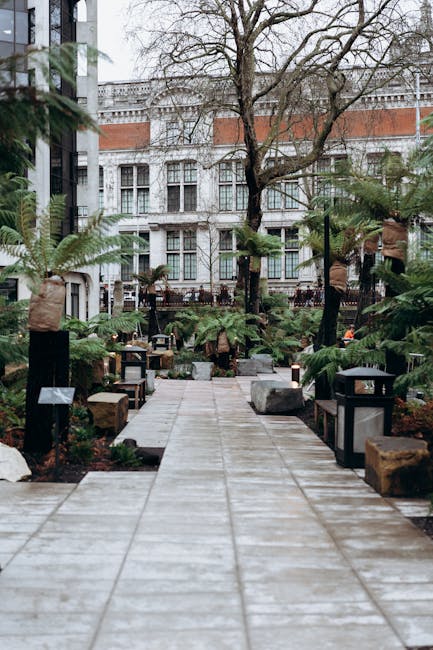
Imagine a small SE1 courtyard tucked between stone walls and glass frontage. It gets a burst of morning light, shade by mid-afternoon, and a fair amount of wind moving through the gap between buildings. The planting has become uneven: one corner is dry and bare, another is crowded with tired containers, and the paved edge is collecting moss. Nothing catastrophic. Just a bit weary.
A sensible response would begin with cleaning, clearing, and assessing the area properly. Then the planting could be reshaped: shade-tolerant evergreen structure at the back, ground cover to soften bare soil, a few durable containers for seasonal interest, and perhaps herbs or scent-led plants near where people pause. The hard surfaces would be cleaned, the layout simplified, and the maintenance plan set to return regularly rather than waiting for visible decline.
The result is not just prettier. It is calmer. Easier to read. Easier to keep. And importantly, easier for the people using the space every day. That kind of improvement does not shout. It just works.
If the courtyard began from a much more difficult starting point, a broader recovery plan similar in spirit to an overgrown garden revival may be the right model, especially where planting has failed or the bed structure needs resetting.
Practical Checklist
Use this quick checklist before, during, or after courtyard maintenance. It keeps the work grounded.
- Check sun, shade, and wind patterns across the space.
- Confirm which areas are high traffic and need safe, clear access.
- Remove dead plant material, litter, and obvious weeds.
- Inspect containers, edging, and paving for damage or instability.
- Prune only with a clear purpose and the right timing.
- Use plants suited to local conditions, not just the look you want on paper.
- Make sure drainage is working and water is not pooling.
- Plan for winter and summer separately.
- Keep a simple maintenance schedule rather than waiting for problems.
- Review safety, insurance, and access arrangements for the site.
Expert summary: the best courtyard gardens in Bankside are usually the ones that look effortless because a lot of thought has gone into the structure, the plant choice, and the maintenance rhythm behind the scenes. That is the quiet secret. Nothing flashy, just good judgement repeated consistently.
Conclusion
Bankside courtyards near Tate Modern ask a lot from a garden team: good presentation, resilient planting, careful access management, and a strong sense of proportion. The spaces are often compact, but the expectations are not. That is why a considered, local approach matters so much.
When maintenance is planned around the real conditions of the site, the courtyard becomes easier to live with and better to look at. It stays greener for longer, feels more intentional, and handles the city environment with far less drama. Not perfect, perhaps. But properly cared for, and that is what counts.
If you are weighing up a refresh, a seasonal tidy, or a longer-term maintenance plan, the next sensible step is simply to talk through the space, its problems, and what success would look like day to day. That conversation usually clears things up fast.
Get a free quote today and see how much you can save.
Frequently Asked Questions
What do Bankside gardeners for Tate Modern courtyards SE1 usually look after?
They typically handle planting care, pruning, weeding, container upkeep, seasonal refreshes, edging, and the general presentation of small urban courtyards. In some cases, they also support nearby hard landscaping and safety-focused tidying.
How often should a courtyard in SE1 be maintained?
That depends on use and planting style. Busy public-facing spaces often need frequent checks, while quieter courtyards may only need scheduled weekly, fortnightly, or seasonal visits. The key is consistency, not guesswork.
Which plants work best in a shaded or partly shaded courtyard?
Shade-tolerant evergreens, ground covers, and selected container plants are usually the safest starting point. If a space receives very little direct light, it is better to choose plants for those conditions rather than hoping a sun-loving variety will adapt.
Can courtyard gardening help reduce upkeep over time?
Yes. A well-planned layout, the right species, and regular care usually reduce bigger problems later. Good maintenance is almost always cheaper and calmer than constant recovery work.
What is the difference between maintenance and landscaping?
Maintenance keeps the current space healthy, tidy, and functional. Landscaping is broader and may involve redesigning beds, changing structure, improving access, or altering the layout. Both matter, but they solve different problems.
Do you need specialist help for paving and courtyard surfaces?
Often, yes. Courtyards usually mix planting with stone, paving, or timber elements. Those surfaces benefit from the right cleaning and care methods, especially if moss, algae, or grime are building up.
How do you keep a courtyard looking good in winter?
Focus on structure: evergreens, clipped shapes, and tidy surfaces. Winter is not the time to rely on soft, fleeting colour alone. A little shape goes a long way when the weather turns grey.
Are there safety issues in small courtyard spaces?
There can be. Trips, slippery surfaces, sharp tools, poor access, and overgrown planting all become more noticeable in compact spaces. Good practice means keeping walkways clear and working carefully around users.
How do I know whether my courtyard needs a refresh or a full redesign?
If the main structure is sound but the planting just looks tired, a refresh may be enough. If the layout is awkward, drainage is poor, or the space never quite works, redesign might be the smarter option. A proper assessment usually makes that decision obvious.
Can courtyard gardens support herbs or edible plants?
Yes, provided the conditions are right and the planting is managed well. Herbs can work brilliantly in containers or sunny pockets, and they bring a nice practical element to small urban spaces.
What should I ask before booking gardeners for a courtyard in Bankside?
Ask about experience with compact urban gardens, access arrangements, safety procedures, maintenance frequency, and how they handle seasonal change. It is also sensible to ask how they approach pricing and what is included in the service.
Is it worth investing in a maintenance plan for a small courtyard?
Usually, yes. Small spaces can deteriorate quickly because every detail is visible. A maintenance plan keeps the space presentable, reduces surprise jobs, and helps the garden feel cared for rather than constantly caught up.